Expert Guide by J & W ROOFING LLC – Roofing Contractors in Bridgeport, Wallingford, and Milford.
Choosing the right roofing material is one of the most important decisions a Connecticut homeowner can make.
How to Choose the Best Roofing Materials in Connecticut
Expert Guide by J & W ROOFING LLC – Roofing Contractors in Bridgeport, Wallingford, and Milford.
Choosing the right roofing material is one of the most important decisions a Connecticut homeowner can make. With our unique New England weather – from heavy snow to summer storms – your roof needs to be durable, energy-efficient, and visually appealing.
In this guide, we’ll walk you through the best roofing materials for Connecticut homes, based on performance, cost, and curb appeal.
1. Asphalt Shingles – Affordable & Popular
Best for: Most residential homes in Connecticut
Why it works:
°Cost-effective and easy to install
°Resistant to wind and water
°Available in many styles and colors
°Compatible with GAF and Owens Corning systems
2. Wood Shakes – Natural & Classic Look
Best for: Traditional or rustic homes
Why it works:
°Great insulation properties for cold CT winters
°Beautiful natural texture
°Durable with proper maintenance
🔧 Recommended for historic or country-style homes in areas like Wallingford or Milford.
3. EPDM Flat Roof – Ideal for Low-Slope Structures
Best for: Flat or low-slope roofs (garages, additions, commercial properties)
Why it works:
°Excellent weather resistance
°Low maintenance
°Long-lasting (20–30 years)
°Quick installation
💡 Ideal for commercial buildings in Bridgeport or modern home additions.
4. Slate Roofing – Elegant & Extremely Durable
Best for: High-end homes with steep-pitched roofs
Why it works:
°Lifespan of 75+ years
°Fireproof and weather-resistant
°Natural stone elegance
💰 Higher upfront cost, but unmatched longevity.
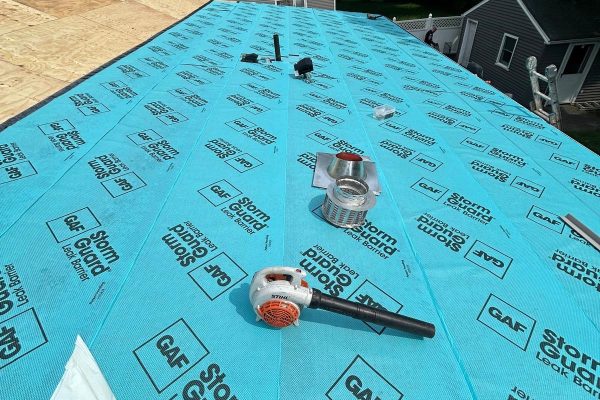
5. Peel and Stick Roofing – Fast & Weather-Resistant
Best for: Quick roof replacements and storm-prone areas
Why it works:
°Fast installation
°Excellent leak protection
°Ideal for underlayment or secondary protection
✅ Great choice for emergency roof repair after storms.
Connecticut Weather Considerations
When selecting a roofing material, keep in mind:
°Snow load capacity
°Wind resistance (especially after Nor'easters)
°UV resistance for summer heat
°Energy efficiency
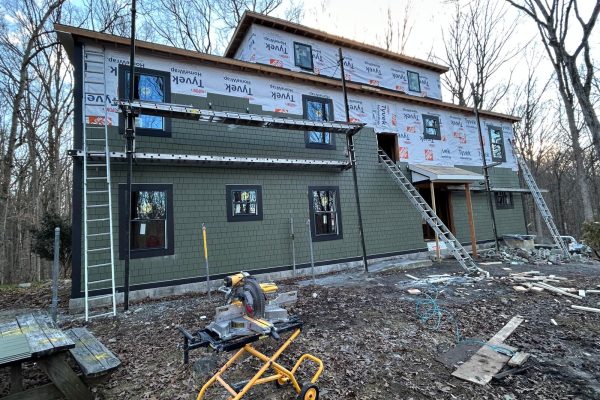
Expert Siding Advice from J & W ROOFING LLC – Serving Bridgeport, Wallingford, Milford & Surrounding CT Areas.
Choosing the right siding for your home is a big decision—it affects your home’s appearance, energy efficiency, and long-term value.
Vinyl vs. Hardie Board: Which Siding Is Right for Your Home?
Expert Siding Advice from J & W ROOFING LLC – Serving Bridgeport, Wallingford, Milford & Surrounding CT Areas.
Choosing the right siding for your home is a big decision—it affects your home’s appearance, energy efficiency, and long-term value. Two of the most popular siding options in Connecticut are Vinyl Siding and Hardie Board (Fiber Cement) Siding. But which one is the better choice for your home?
In this post, our siding experts at J & W ROOFING LLC break down the pros and cons of each to help you make an informed decision.
Vinyl Siding – Affordable & Low Maintenance
Best for: Budget-conscious homeowners, quick installations, and low-maintenance exteriors.
✅ Pros:
°Cost-effective: One of the most affordable siding materials on the market.
°Low maintenance: No painting required, easy to clean with power washing.
°Fast installation: Quick turnaround times for new or replacement siding.
°Variety of colors and styles: Mimics wood grain for a classic look.
⚠ Cons:
°Less durable in extreme weather: Can crack in cold Connecticut winters or warp in high heat.
°Lower fire resistance: Vinyl is plastic-based and less resistant to fire than other materials.
Hardie Board Siding – Durable & Stylish
Best for: Homeowners looking for long-term durability, fire resistance, and high-end curb appeal.
✅ Pros:
°Superior durability: Withstands Connecticut’s snow, rain, and windstorms.
°Fire- and pest-resistant: Made of fiber cement (sand, cement, and cellulose fiber).
°Authentic wood look: Comes in a range of textures and can be painted in any color.
°Long lifespan: Can last 30–50 years with proper maintenance.
⚠ Cons:
°Higher cost: More expensive to purchase and install than vinyl.
°Requires repainting: May need repainting every 10–15 years.
°Heavier material: Installation requires professional tools and expertise.
Your chimney isn’t just decorative—it plays a vital role in your home’s ventilation and safety. Over time, Connecticut’s harsh weather, moisture, and age can cause chimney damage that may go unnoticed until it becomes a major problem.
Top 5 Signs You Need Chimney Repair or Replacement
Protect Your Home with Expert Chimney Services in Connecticut by J & W ROOFING LLC
Your chimney isn’t just decorative—it plays a vital role in your home's ventilation and safety. Over time, Connecticut's harsh weather, moisture, and age can cause chimney damage that may go unnoticed until it becomes a major problem.
Here are the top 5 warning signs that it’s time to repair or replace your chimney.
1️⃣ Cracked or Spalling Bricks
If you notice crumbling, flaking, or missing bricks, it’s a clear sign of moisture damage. This process is called spalling, and it's common in older chimneys or those exposed to freezing and thawing.
🔧 Why it matters: Damaged bricks can lead to structural instability and water leaks into your home.
2️⃣ Leaking Around the Chimney or Fireplace
Water stains on the ceiling, walls, or attic near your chimney are red flags. Leaks often come from damaged flashing or worn-out chimney crowns.
🔧 Why it matters: Moisture can lead to mold growth, wood rot, and insulation damage.
3️⃣ Damaged or Missing Chimney Cap
Your chimney cap keeps rain, debris, birds, and pests out. If it's rusted, broken, or missing, your chimney is vulnerable to blockages and water damage.
🔧 Why it matters: A missing cap can cause costly repairs down the line due to interior deterioration.
4️⃣ Smoke Backing Up Indoors
If smoke is entering your home when using the fireplace, there may be a blockage, flue damage, or poor ventilation. This can be dangerous and a potential fire hazard.
🔧 Why it matters: Faulty chimneys increase the risk of carbon monoxide exposure and house fires.
5️⃣ Strong Odors or Rust Stains
Musty, smoky, or burnt smells coming from your fireplace—even when it’s not in use—may indicate creosote buildup or moisture problems. Rust stains on the firebox or damper also signal hidden damage.
🔧 Why it matters: These are early warning signs of hidden chimney damage that require professional attention.